Lawn Care Marketing and SEO: A Virginia Guide for Getting More Customers
Home Lawn Care Marketing and SEO: A Virginia Guide for Getting More Customers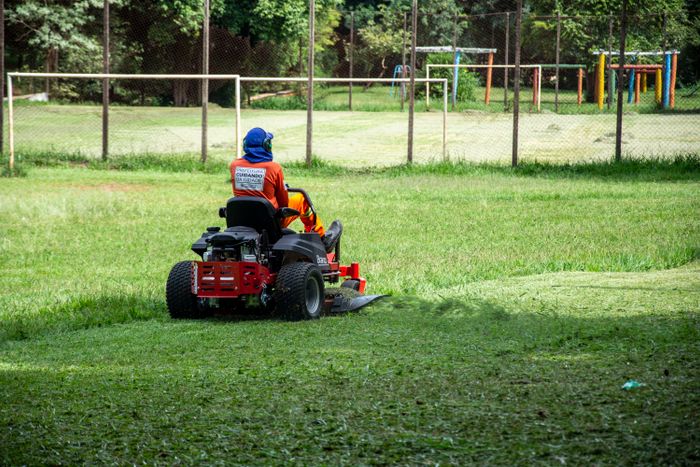
Every year it happens the same way. The first warm weekend in March, homeowners across Virginia look out at their yards and pick up their phones. “Lawn service near me.” “Lawn mowing [town].” The companies that get those calls aren’t always the best at cutting grass. They’re the ones that were easy to find the week the search happened.
Good lawn care marketing is mostly about timing and being visible in the right places before the season starts. This guide covers how Virginia lawn care companies get found on Google, which services to promote when, and how to turn a single spring cleanup into a customer who stays for years.
The short answer
To get more lawn care customers in Virginia:
- Complete your Google Business Profile with the right category, your service area and real photos.
- Build a page on your website for each service: mowing, aeration and overseeding, fertilization and weed control, leaf removal.
- Add pages for the towns you serve, with details that are actually true for each one.
- Promote each service a few weeks before its season, not during it.
- Collect reviews and Nextdoor recommendations steadily all year.
- Keep your business details the same on every listing site.
- Market hardest in neighborhoods you already serve, and reward referrals.
- Sell yearly programs, not just one-time visits.
The rest of this guide explains each step and how Virginia’s climate changes the plan.
Virginia’s grass changes what your customers search for
Virginia sits in what turf experts call the transition zone, where both cool-season and warm-season grasses can grow. That matters for marketing, because the grass in your customers’ yards decides which services they need and when.
According to Virginia Cooperative Extension, tall fescue, a cool-season grass, is the most common home lawn grass across the state. Late summer through mid-fall is the best time to establish it, which is why aeration and overseeding searches pick up in August and September. In the hotter eastern part of the state, especially around Hampton Roads, many lawns are warm-season grasses like bermuda and zoysia, which are planted in late spring and early summer instead.
So a company in Fairfax or Charlottesville should be promoting fall aeration and overseeding by late summer. A company in Virginia Beach or Chesapeake serves more warm-season lawns and should be pushing different services at different times. Companies further west, toward Roanoke and the mountains, usually see the seasons shift a little earlier.
None of the generic lawn care marketing advice online accounts for this. It’s one of the easiest ways for a Virginia company to sound like it knows its customers’ yards, because it does.
A marketing calendar for the year
Most lawn care marketing fails because it starts when the phone should already be ringing. Work a few weeks ahead of each season:
- January and February: Update your Google Business Profile, refresh photos, and get your spring service pages ready. Contact last year’s customers about renewing.
- March through May: Spring cleanup, first mowing, and fertilization and weed control. Post spring photos and ask happy customers for reviews.
- June through August: Regular mowing and summer care. Around Hampton Roads, this is the season for warm-season lawns. In late summer, start promoting fall aeration and overseeding.
- September and October: Aeration and overseeding for cool-season lawns, plus early leaf work.
- November and December: Leaf removal and winter cleanups. Then sign up customers for next year’s program while they’re still happy with this year.
Search interest rises before the work does. A page about aeration published in September is a page Google is still figuring out when the season ends.
Start with your Google Business Profile
When someone searches “lawn care near me,” the map results usually show first, and those three spots get a large share of the calls. Your Google Business Profile decides whether you’re in them.
Choose the right category. Pick the one that best matches your main work, like “Lawn care service” or “Landscaper,” and add others only if you really offer them.
Set your service area. Most lawn care companies go to the customer, so hide your home address and list the towns or ZIP codes you serve instead.
Use real photos. Your trucks, your crew, and before-and-after shots of lawns you’ve worked on. Stock photos of perfect golf-course grass don’t help anyone choose you.
Post through the season. A short post about spring signups, fall aeration dates or leaf removal slots shows Google and customers that you’re active.
Our guides to optimizing your Google Business Profile and improving your Google Maps ranking cover the settings in more detail, and the profile is the core of the local SEO work for any lawn care company.
Give every service its own page
One “Services” page with a list of bullet points won’t rank for much. A homeowner in Richmond searching for “lawn aeration” wants a page about aeration.
Give each main service its own page:
- Mowing and maintenance plans
- Aeration and overseeding
- Fertilization and weed control
- Leaf removal and seasonal cleanups
- Landscaping or mulching, if you offer them
On each page, explain what the service is, when it should be done in your area, how often, roughly what it costs or how pricing works, and how to book. Add photos from real jobs. This is everyday on-page SEO, and it’s where many lawn care websites have the most room to grow.
If you can, let people request a quote online by entering their address and the service they want. Homeowners often search in the evening, after work, and a simple quote form catches them when the phone wouldn’t.
Most of those searches happen on a phone, so the site has to load quickly and work well on a small screen, with your phone number and quote button easy to tap. Heavy photo galleries and slow website builders are the usual problems, and a quick technical SEO check finds them.
Build pages for the towns you serve
The map tends to favor businesses close to the person searching, so a company based in one town often struggles to show up in the next. Pages on your website for each town you serve can help fill that gap. We explain why in why you rank in one Virginia city and not the next.
Lawn care has a built-in advantage here: the grass, soil and timing really do differ from place to place in Virginia. A page for Ashburn can talk about fall overseeding for tall fescue. A page for Chesapeake can talk about warm-season lawns.
A page for Midlothian can mention the neighborhoods you mow every week. Real details like these are what make a town page useful instead of a copy with the name swapped. Tie them together with one page that lists every area you serve, the way our own service areas page does.
Reviews, Nextdoor and your local reputation
Lawn care is a trust business. You’re on someone’s property every week or two, often when they’re not home. That’s why reviews and word of mouth matter so much.
Ask for reviews at the right moments. Right after a great spring cleanup or the first time a customer sees their overseeded lawn come in green. Text a direct link to your Google review page. Reply to every review, good or bad.
Never buy reviews or trade discounts for them. The FTC banned buying and selling fake reviews in 2024, and Google removes reviews it thinks were incentivized.
Show up on Nextdoor. Neighbors constantly ask each other for lawn care recommendations there. Claim a business page, and when happy customers recommend you, thank them.
Earn local mentions. Sponsor a youth sports team, donate a cleanup to a school or church, get listed in your HOA’s preferred vendor list, or offer a seasonal lawn tip to a local news site. Mentions and links like these signal to Google that you’re a real, established local business.
This is off-page SEO, the work that happens away from your own website, and a few genuine local links do more than a pile of directory listings. It’s also where link building for a small local company should start.
Market where your trucks already are
Some of the best lawn care marketing never touches a screen, and it works even better when it points people to one.
Lawn care has an advantage most businesses don’t: every customer you add on a street you already mow makes your route tighter and your day more profitable. So market hardest in the neighborhoods you already serve.
- Yard signs. Ask happy customers if you can put a small sign in their yard for a week or two after a big job, maybe in exchange for a discount.
- Door hangers. When your crew finishes a lawn, hang a short offer on the neighbors’ doors. They’ve just seen the result.
- Your trucks and trailers. Clean, clearly branded vehicles with your phone number and website are a moving sign on every street you work.
- Postcards to new movers. People who just bought a home are looking for a lawn service and haven’t picked one yet.
Put a QR code or short web address on all of it, leading to a quote page or your Google reviews. That way the offline marketing feeds the online reputation, and you can see which pieces bring in calls.
Referrals, partners and past customers
Reward referrals. Your happiest customers know their neighbors. A simple thank-you, like a free mow or a discount on their next service, for every referral who signs up turns them into your best salespeople.
Partner with people who meet your customers first. Real estate agents preparing homes for sale, property managers, HOA boards, pest control and irrigation companies all talk to homeowners who need lawn care. A few good relationships can bring in steady work, including larger commercial and HOA contracts.
Stay in touch with past customers. A text or email at the start of each season (“Spring cleanups are booking now,” “Fall aeration dates are open”) brings back customers who simply forgot to call. It’s usually the cheapest marketing you’ll ever do.
Should you pay for ads?
Paid ads can fill gaps while your Google ranking grows. Search ads put you at the top for “lawn care near me” right away, and Facebook ads can reach homeowners in the specific neighborhoods you want. The catch is that they stop the day you stop paying, and lawn care searches get expensive in peak season.
Many companies use ads for a short push before each season, and let their Google profile, website and reviews carry the rest of the year. We compare the two approaches in more detail in SEO vs PPC for Virginia businesses.
Don’t lose the spring rush to a full voicemail
All this marketing can backfire in April if you can’t keep up. When the phone rings constantly, missed calls turn into jobs for the next company on the list.
A few simple fixes help: an online quote form so people can reach you without calling, a quick text back to every missed call the same day, and a clear message on your website if you’re booked out, with a waitlist or the date you can start. Customers will wait a week for a company that answered them. They won’t wait for one that didn’t.
Keep your listings consistent
Your business name, phone number and service area should match everywhere customers might find you: Google, Yelp, Nextdoor, Angi, Thumbtack, the BBB and your local chamber of commerce. Mismatched details make Google less sure which information is right. Cleaning this up is what citation building covers.
Sell programs, not just visits
The most valuable lawn care customer is the one who signs up once and stays for years. Make yearly programs easy to find and easy to buy on your website: a mowing plan, a fertilization and weed control program, or a fall aeration and overseeding package booked in advance.
Put the program on its own page, explain what’s included season by season, and ask every one-time customer if they’d like it. A spring cleanup customer who joins your yearly program is worth many times the original job.
How to tell if it’s working
Track calls and quote requests by service and by month. Compare each month with the same month last year, not with the month before, because lawn care is so seasonal. Your Google Business Profile shows calls and direction requests, and Google Search Console shows which searches bring people to each service page.
If you run other home services alongside lawn care, the same approach works for them. See our guides for home service businesses and plumbers. And if you’re weighing whether to get help, our Virginia SEO pricing breakdown shows what different budgets usually buy.
Want more customers calling before the season starts? Contact us and tell us where you work and which services you want to grow. We’ll show you what we’d fix first.
Frequently Asked Questions
Make sure you show up on Google Maps with a complete Business Profile, build a page for each service and town you serve, promote each service a few weeks before its season, and collect reviews and Nextdoor recommendations steadily. Then turn one-time jobs into yearly programs.
Start with the free channels: a complete Google Business Profile, a website with a page for each service, reviews, and Nextdoor. Add yard signs and door hangers in neighborhoods you already serve, and reward referrals. Use paid search or Facebook ads for short pushes before each season if you need calls faster.
A few weeks before the work starts. In Virginia, that means getting spring pages and your profile ready in January and February, and promoting fall aeration and overseeding by late summer.
Yes, especially local SEO. Most homeowners search for lawn care on Google and choose from the first few results and the map. A strong profile, good service pages and steady reviews are what get you there.
It can be. Neighbors regularly ask each other for lawn care recommendations there, and a business page with real customer recommendations helps you get mentioned. It works best alongside a strong Google Business Profile, not instead of one.
For cool-season grasses like tall fescue, which most Virginia lawns have, Virginia Cooperative Extension says late summer through mid-fall is the best time. Warm-season grasses like bermuda and zoysia are planted in late spring and early summer instead.







Request A Quote
Ready to Grow?
Get your FREE quote
SEO that’s clear, powerful, and built for results.
Every campaign we run — from on-page optimization to link building — is powered by real search data, not guesswork. That’s how we help businesses from Richmond to Arlington compete with confidence. Our mission is to empower Virginia businesses with search visibility that translates into measurable growth.
We don’t just want you to rank, we want you to win.
If you’re looking for a partner who talks less and delivers more, let’s chat.
Got a question? Feel free to call us.
+1 (571) 571-4412

Virginia SEO Company is a team of skilled and experienced SEO professionals — analysts, strategists, content experts helping Virginia businesses rank higher and grow faster. Our team combines years of experience with cutting-edge tools (including Ahrefs, Semrush, DataForSEO, Google Search Console, and more) to deliver work that actually move the needle.
Get In Touch
42841 Creek View Plaza, Ashburn, VA 20147
Quick Links
© Copyright © 2025 Virginia SEO Company